
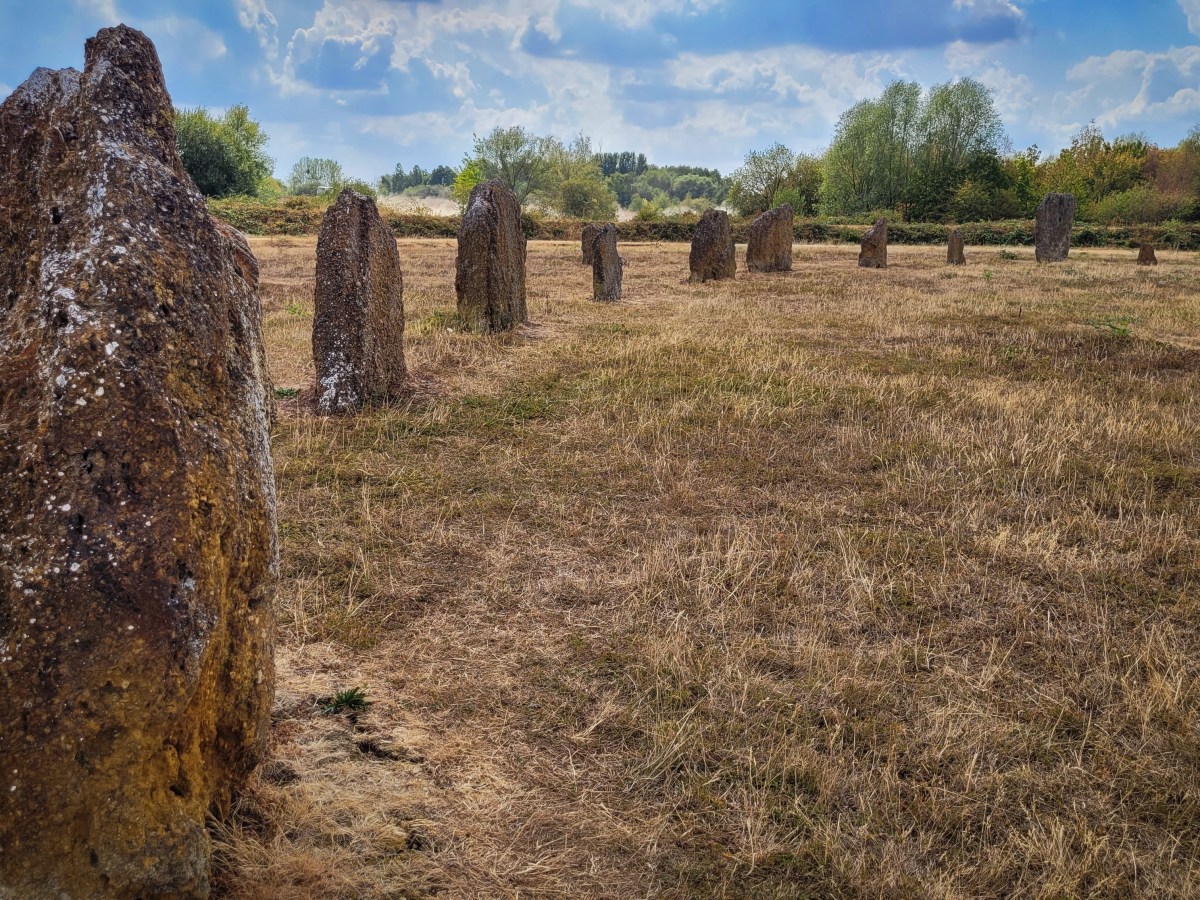
Cerrig Meibion Arthur

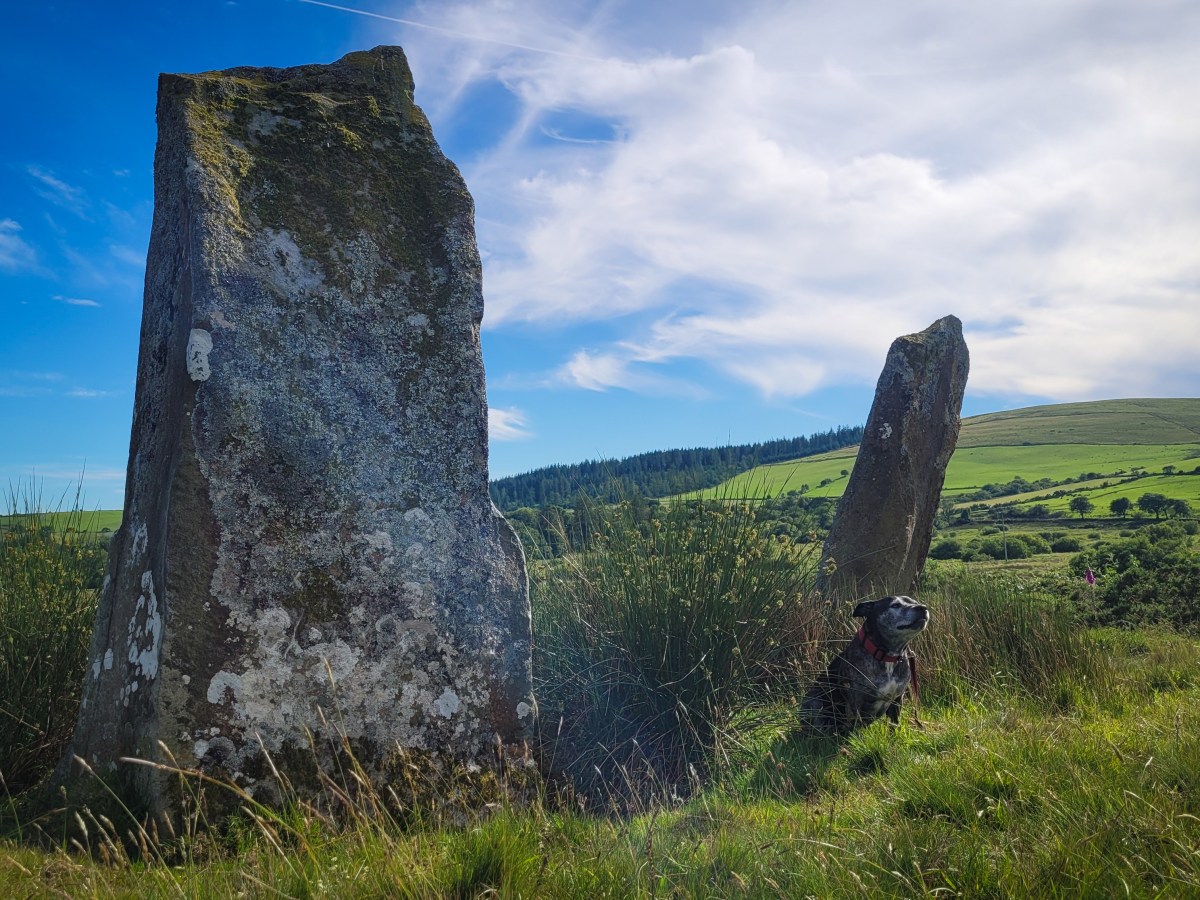
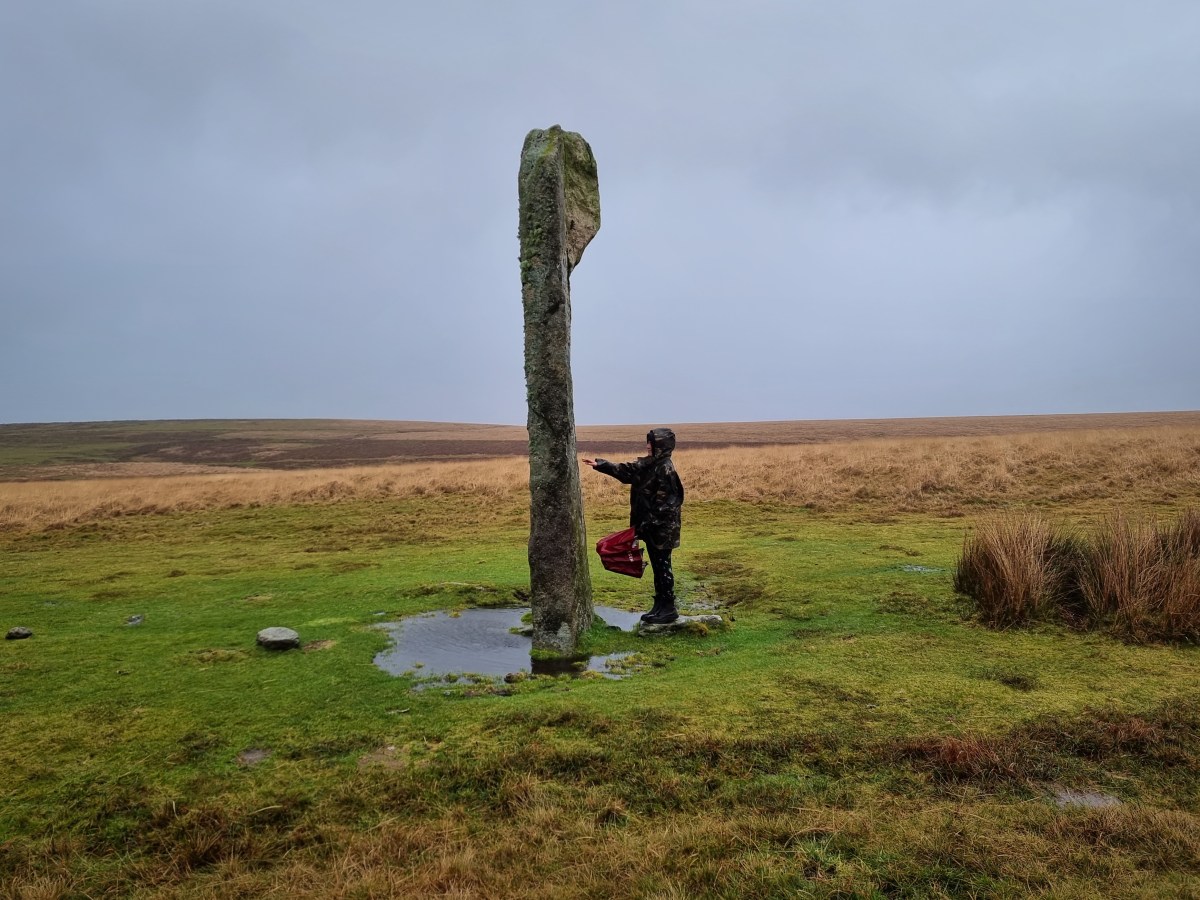
Map Ref: SN11823102 Cerrig Meibion Arthur, meaning ‘Stones of the sons of Arthur’ are two standing stones (menhirs) situated below Foel Cwmcerwyn, the highest point of the Preseli Mountains in Pembrokeshire, Wales. In a story told in “Culhwch and Olwen” in The Mabinogion, the legendary King Arthur and his knights fought savage battles against…

Read more…

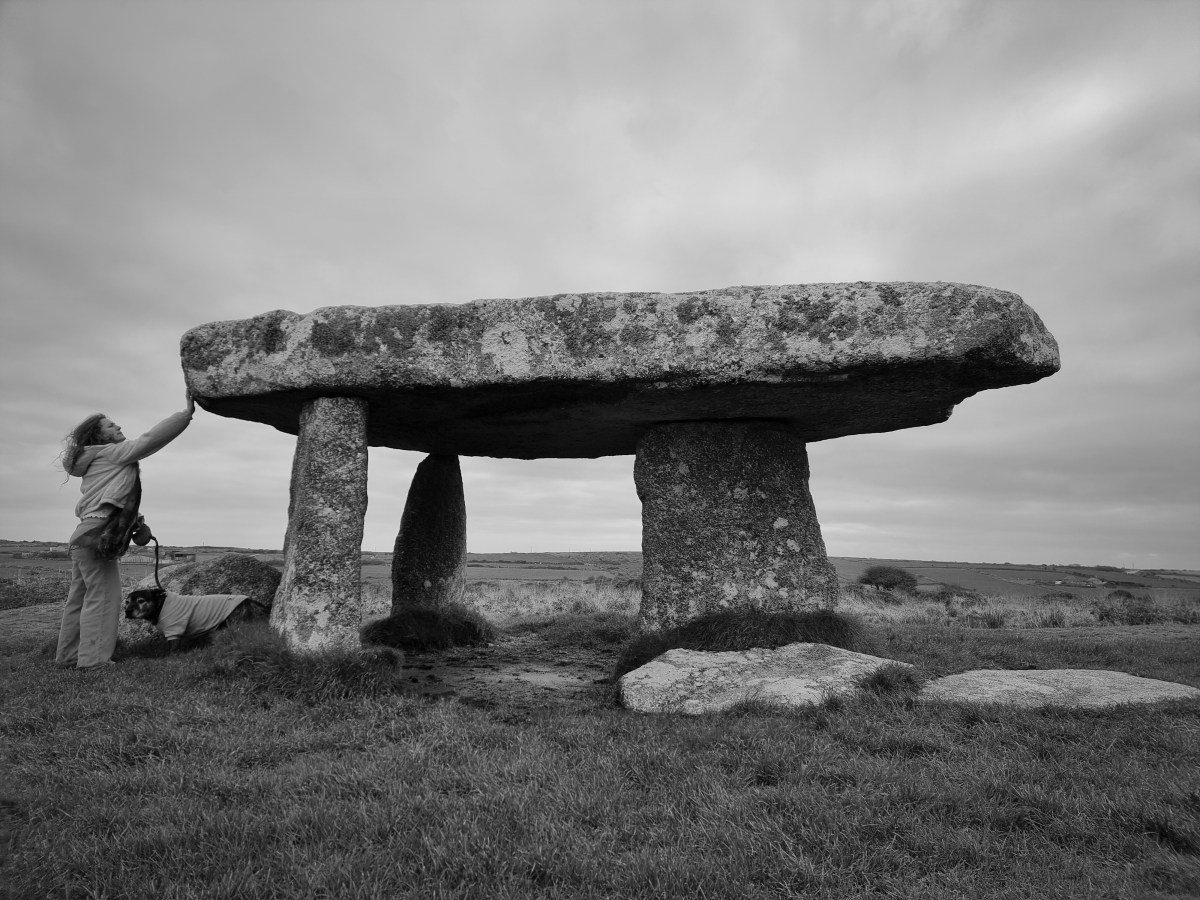
Lanyon Quoit

Neolithic Dolmen in Cornwall, UK.Map Ref: SW4298033690 Lanyon Quoit is one of the most iconic of Cornish antiquities. It is also the most restored; its present form differs considerably from its original. It was once described as being high enough for a man on horseback to pass beneath, but was destroyed by an exceptionally…

Read more…

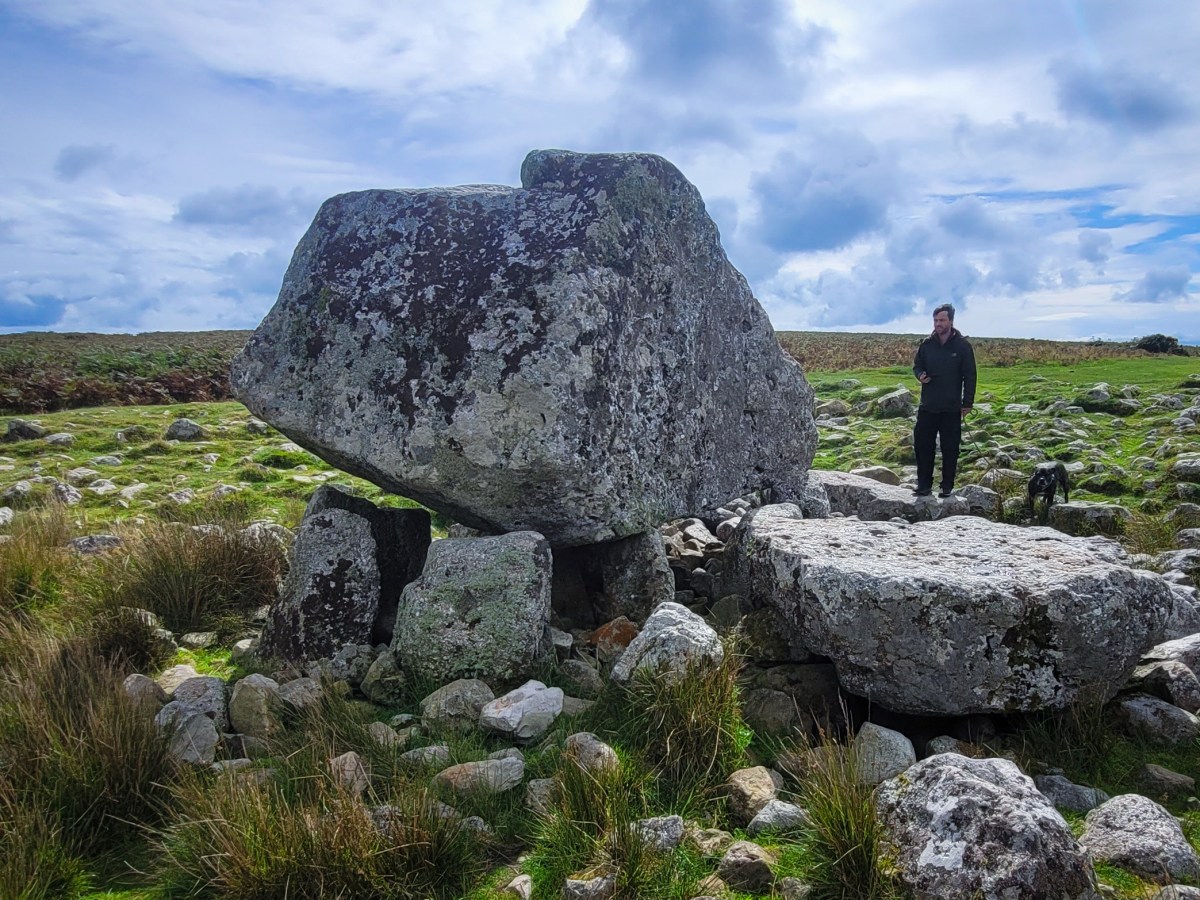
Arthurs Stone/Maen Cetti

An iconic Neolithic monument in Gower Peninsula in Wales is situated on the ancient ridgeway of Cefn Bryn, known locally as the Backbone of the Gower. The monument is named Maen Cetti, meaning ‘The Stone of Cetti’. Its commonly used name today is Arthur’s stone, linking to a popular story that the capstone is…

Read more…

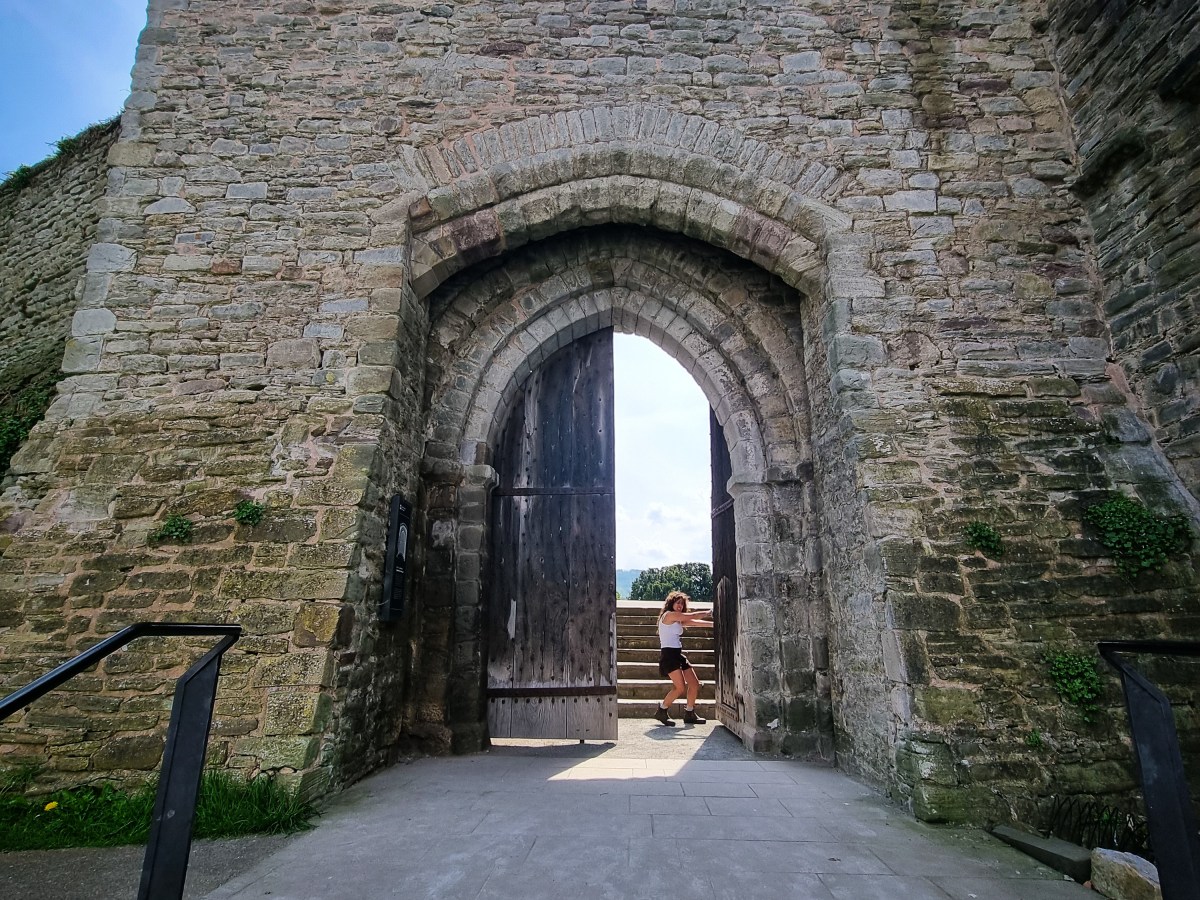
Medieval Gates of Hay Castle

The oak gates of Hay Castle in Wales are believed to be the oldest working defensive gates in Britain. Each gate is of a different construction, one dating to around the 14th century and the other around the 17th century. The castle was originally constructed as part of the Norman invasion of Wales, as…

Read more…

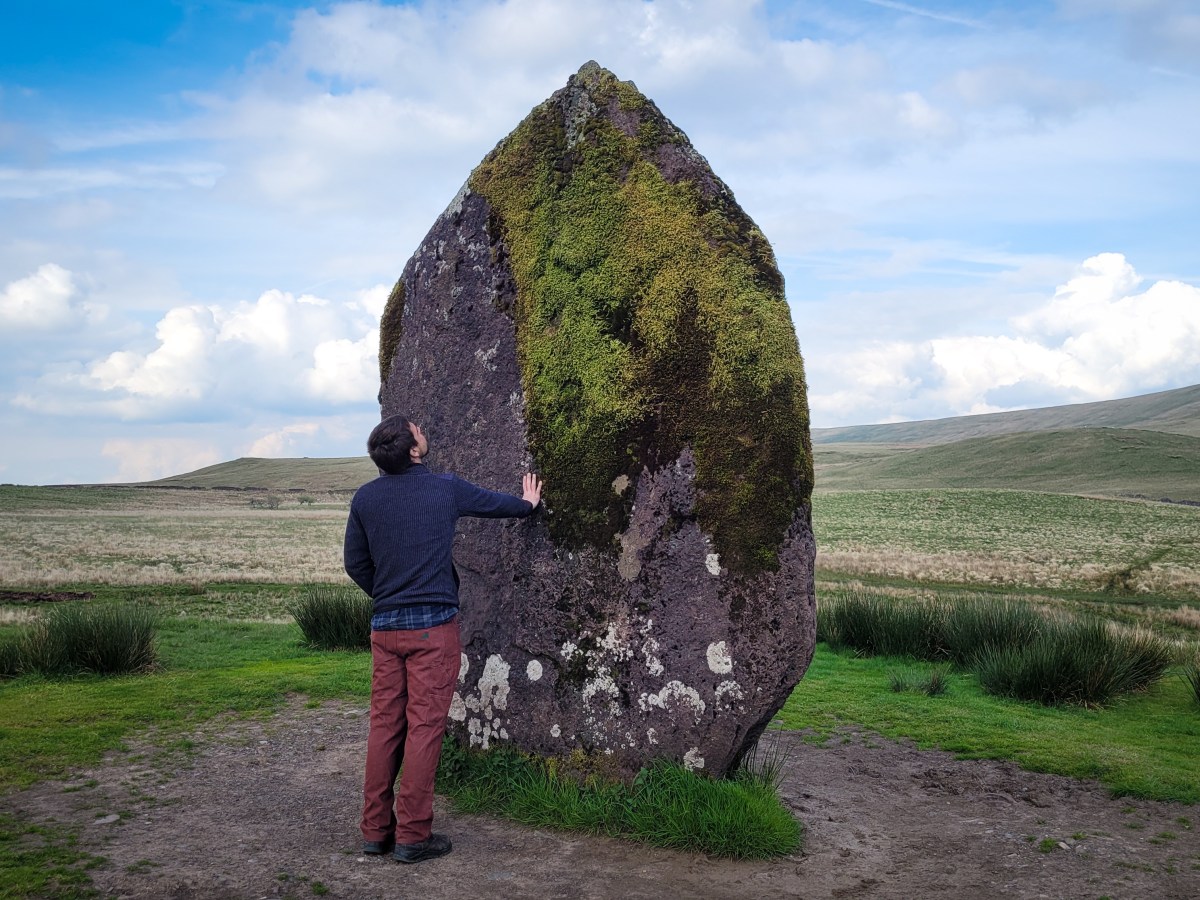
Maen Llia Standing Stone

Situated in the Bannau Brycheiniog (Brecon Beacons) National Park in Powys, Wales is this 3.7m tall stone named Maen Llia. It sits on a stone and earth mound and is thought to have been erected in the late Neolithic or Early Bronze Age. There is a legend that the stone will sometimes go down…

Read more…

Drizzlecombe Bronze Age remains

Drizzlecombe is a complex of Bronze Age monuments located on the western side of Dartmoor in Devon, England. It consists of an extensive group of stone rows, standing stones (menhirs), cairns, as well as enclosed settlement sites which mainly spread across the slopes of Hartor Hill near the River Plym. The most striking features…

Read more…

Ogmore Castle

Ogmore Castle (Castell Ogwr) is located in the Vale of Glamorgan, Wales. The Castle was built by the Normans in the 12th century to guard Glamorgan against attacks from the Welsh in the west. This was part of a trio of castles including Newport and Coity. Construction began around the year 1106, first as…

Read more…

St Govan’s Chapel

St Govan’s Chapel – Pembrokeshire, Wales The ancient chapel is dedicated to St. Govan, thought to have been a celtic missionary from Ireland, who sailed to Wales late in his life to live as a hermit in a cave where the chapel now stands. There are some who believe Govan was actually Sir Gawain,…

Read more…

Hingston Hill/Down Tor Stone Circle

A 1145ft long stone row leading to a 36ft cairn circle in Dartmoor, England. There are 157 stones in the row, but may have originally been 174. Some of the stones had fallen and in 1894 were re-erected in their original sockets. This has been described as one of the most magnificent of all…

Read more…

Chun Quoit

Neolithic monument in Cornwall. Just above Chun Quoit is Chun Castle, an Iron Age fortification. The name ‘Chun’, or more correctly in Cornish, ‘Chûn’ or ‘Chuûn’ and pronounced ‘Choone’ comes from ‘Chy-an-Woone’ or ‘Chywoone’ meaning ‘the House on the Downs’. In 1872 William Copeland Borlase records Chun Quoit in his book, ‘Naenia Cornubiae’, but…

Read more…

Something went wrong. Please refresh the page and/or try again.